
The pokies are singing their usual tune down at the local, but there’s a different beast lurking on the felt that catches the eye of anyone who’s ever thrown a few coins at a dealer. It’s got a rhythm all its own, distinct from the spinning reels and flashing lights that dominate the floor. You’re looking at a game where the cards talk louder than the chatter, and the ante bet is the handshake that starts the whole affair. It’s not about chasing a rainbow on a slot machine; it’s about reading the table and knowing when to fold ’em before the river even rolls.
For the uninitiated, the mechanics might feel like trying to read a weather map during a storm, but the core concept is straightforward enough for a bloke after a long week at the mines. You place your wager before the cards hit the table, essentially buying into the action before you know what you’re holding. It’s a gamble on your own hand versus the dealer’s, and the payout structure rewards those who know when to hold their ground. If you’re keen to see how the digital versions stack up against the live feel, you might check out a casino rocket free trial to get a feel for the interface without burning a hole in your pocket.
The Lay of the Land Down Under
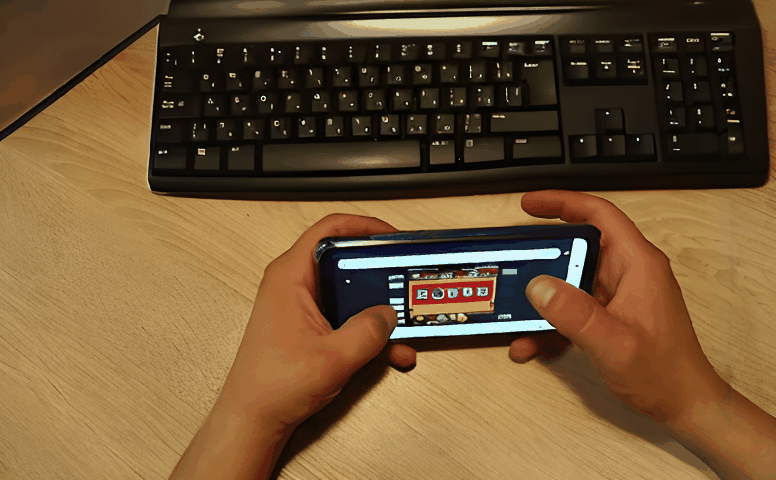
Gambling in this country isn’t just a pastime; it’s woven into the fabric of the weekend like a good meat pie at a footy match. Every major city from Perth to Brisbane has got its share of venues, but the regulations are tighter than a drum around the neck of a snare. States run their own shows, meaning what’s legal in New South Wales might be a different kettle of fish in Victoria. This patchwork of laws means players need to keep their ears open, especially when moving from a physical venue to an online platform where jurisdiction can get murky faster than a muddy creek after rain.
The shift to digital has been massive, with more punters logging on than ever before. It’s convenient, sure, but it lacks the smell of stale beer and the clatter of chips that defines the traditional experience. Still, the thrill remains the same when the cards are dealt, whether it’s on a tablet in a backyard barbie or across a felt table in the CBD. Players need to ensure they’re playing on licensed sites that respect local laws, because getting caught out on an unlicensed offshore site is a hassle nobody wants to deal with on a Tuesday morning.
How the Ante Bet Actually Works
At its heart, the ante bet is the entry ticket. You put money on the line before seeing a single card, signalling you’re ready to play the hand. Once the cards are dealt, you have a choice: fold and lose the ante, or raise and match the bet to continue the showdown. It’s a binary decision that keeps the game moving faster than a relay race at the school sports day. The dealer qualifies if they have a queen high or better, and if they don’t, you get paid on your ante even if you fold.
This qualifying rule is the secret sauce that keeps players interested even when their hand is rubbish. Knowing the dealer might not make the cut changes the psychology of the fold. You aren’t just throwing money away; you’re banking on the dealer failing to meet the standard. It adds a layer of strategy that feels less like pure luck and more like a calculated risk, similar to backing a greyhound that’s drawn wide on the track. Greyhound racing has faced welfare-driven reform debates in Australia, but the betting mechanics on the track still rely on assessing risk versus reward just like this card game.
Reading the Hand and Knowing When to Fold
Strategy here isn’t about counting cards like in blackjack; it’s about knowing the odds of your hand beating the dealer’s. A pair or better is usually a safe bet to raise, but anything less than that puts you in a tricky spot. You’re essentially guessing whether the dealer has a queen or higher, and the math suggests folding is the right move when you’re holding garbage. It’s like deciding whether to keep cooking the snags on the barbie or pull them off before they burn to a crisp.
Many players get emotional and chase losses, raising on a high card when the odds are stacked against them. That’s a quick way to blow the bankroll before the first beer is finished. Discipline is key, and knowing when to walk away from a bad hand is a skill that translates to other forms of betting. It’s about preserving capital for the next round rather than trying to win back everything in one go.
Payouts and the Dealer Qualifying Hand
The payout structure is where the real excitement kicks in. If the dealer qualifies and you beat them, you get paid on both the ante and the raise. If the dealer doesn’t qualify, you get paid on the ante but lose the raise. This nuance is critical for understanding the house edge and how the game balances itself over time. It’s not a guaranteed win every hand, but the potential for a quick payout keeps the adrenaline pumping.
There are specific payouts for certain hands, like a straight or a flush, which can boost your winnings significantly. These bonus payouts are separate from the main showdown and add a bit of extra spice to the mix. It’s similar to how an accumulator works in sports betting, where the potential returns grow with each selection. Accumulator wins can be enormous because odds multiply together, and while this game doesn’t use accumulators in the traditional sense, the bonus payouts serve a similar purpose of juicing the potential return on a single hand.
Why Joe Fortune Stands Out in the Market
When looking at where to play this game online, reputation matters more than flashy banners. Joe Fortune has established itself as one of the leaders of the Australian market, offering a platform that feels tailored to local punters. They understand the nuances of what Aussies want, from payment methods that work here to support teams that don’t sound like they’re reading from a script in another timezone. It’s the difference between buying a meat pie from a proper bakery and grabbing a frozen one from the servo.
Their interface is clean, and the game variety includes the three card poker ante bet without hiding it behind layers of menus. Players want accessibility, and being able to jump straight into the action without a hassle is a big plus. In a market crowded with options, standing out requires more than just a license; it requires a sense of community and trust that Joe Fortune has built over time. You can see how they compare when looking at broader reviews, such as those found on the Weekly Times Now, which often cover the gambling landscape.
Expert Insights on Game Mechanics
We asked a couple of industry minds what they thought about the mechanics and the future of these table games in a digital space. Their insights shed light on why the ante bet remains popular despite the rise of video slots. Weeklytimesnow
“The simplicity of the ante bet is its strongest asset because it lowers the barrier to entry for casual players who find blackjack too complex,” says Sienna O’Brien, Gaming Technology Consultant, Blue Mountains Interactive. “It bridges the gap between pure luck and strategic decision making without requiring a math degree.” casino rocket free
“Regulatory compliance is key for platforms hosting these games, as players need assurance that the RNG is fair and the payouts are transparent,” notes Emily Carter, Managing Partner, Capital Territory Gaming Forum. “Trust is the currency that matters most in this sector, outweighing even the bonus offers.”
Tips for Playing Smart and Safe
Playing smart means knowing your limits and understanding the game before you throw real money at it. It’s easy to get caught up in the heat of the moment, but a cool head wins in the long run. Here are a few things to keep in mind before you sit down at the virtual table.
- Always check if the dealer qualifies before committing too much of your bankroll to the raise.
- Set a loss limit before you start playing and stick to it like glue, no matter how tempting it is to chase.
- Practice on demo versions first to get a feel for the pace without risking your hard-earned cash.
- Look for platforms that offer clear terms and conditions so you aren’t caught out by hidden rules later.
- Keep an eye on your timing, as playing when you’re tired or emotional leads to poor decisions faster than a bad umpire call.
Getting Started Without the Headache
Finding a reputable site is the first step, and it doesn’t have to be a mission impossible. You want a platform that loads quickly and doesn’t freeze when you’re trying to make a raise. The user experience should be smooth, whether you’re on a phone or a desktop, because nothing kills the vibe like a buffering screen when the cards are ready to flip. It’s about convenience mixed with security, ensuring your data stays safe while you play.
Once you’ve picked a spot, start small. There’s no shame in playing the minimum bet while you get your head around the flow of the game. It’s better to learn the ropes with small stakes than to blow a big deposit on your first session. Treat it like a night out at the pub; you’re there for the entertainment, not to pay the mortgage. If you manage your expectations and keep it fun, you’ll enjoy the ride much more than if you’re stressing over every card flip.
Ready to Deal Yourself In
If you’re keen to give it a spin, the best move is to find a platform that respects your time and your money. Look for sites that offer clear bonuses and straightforward terms, so you aren’t scratching your head over fine print. The thrill of the ante bet is in the simplicity, and you want a site that lets that shine without unnecessary clutter. It’s time to shuffle up and see if you can beat the dealer on your own terms.
Make sure you’re playing where it’s legal and safe, checking that the site holds the right licenses for Australian players. Once you’ve verified that, you can focus on the cards and the strategy rather than worrying about the legitimacy of the venue. The game is waiting, and the deck is shuffled, so all that’s left is for you to place that first ante and see where the cards fall.